
Is a Life Sentence More Damaging Than the Death Penalty? A View From the Inside
A firsthand reflection on why a life sentence — especially life without parole — can inflict deeper psychological and emotional harm than the death penalty.

A firsthand reflection on why a life sentence — especially life without parole — can inflict deeper psychological and emotional harm than the death penalty.

This essay looks at how constant degradation inside prison changes people. Drawing on lived experience, sociology, and psychological research, it explains how humiliation, learned helplessness, and chronic stress damage identity, fuel PTSD, and make reentry into society even harder.

Prisons lock down before executions to control movement, prevent disturbances, and free staff to run an unusually complex procedure. The timing—historically around midnight, increasingly in the early evening—balances last-minute legal appeals, staffing, witness logistics, and public-order concerns. Here’s how state and federal protocols turn the day of execution into a tightly choreographed security operation.

The phrase “Club Fed” sounds clever until you realize how much damage it does. It punishes prisoners by stripping away rehabilitative programs and punishes the public by creating less prepared, more broken people. Here’s what that joke really costs us.

Twenty-five years into a life-without-parole sentence, I’ve learned that time doesn’t stop — it just changes shape. This is what it means to live, grieve, and grow inside a world without an ending.

Absolutely — the prison system has a moral obligation to provide real opportunities for personal development. Not as a luxury,...
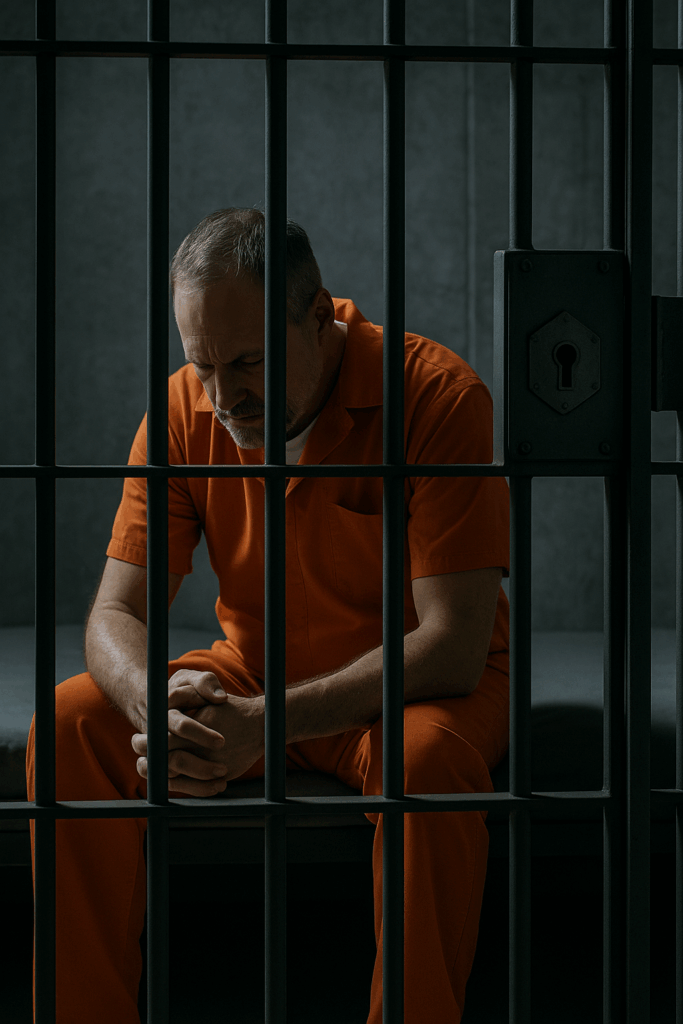
When a correctional officer commits a crime and goes to prison, they don’t stop being human — but they do...

When I entered federal prison in 2000, it was obvious that “rehabilitation” was more slogan than reality. Programs existed, but...

Do federal prisons really sell name-brand imitation colognes and perfumes? Yes, they do, though not in the way most people...

Second Chance Killers “Miller’s Children: Why Giving Teenage Killers a Second Chance Matters for All of Us” by Dr. James...


