Gregory's Life
is Redeemable
A person is more than the worst moment of their life. With your signature, a different future becomes possible.
Takes less than 30 seconds. No cost, just your voice.
Statement on Accountability
Full Accountability & Openness to Restorative Justice
Gregory Marcinski accepts full responsibility for the grave harm caused by his actions. He does not deny the seriousness of his crime or the irreversible loss suffered by Paul's family and loved ones.
He has expressed, and continues to express, deep remorse and sorrow for that harm. Nothing can undo the loss, and no words can make it right.
Gregory remains committed to accountability, personal change, and lawful rehabilitation. He is open to restorative justice and dialogue only if — and in whatever form — Paul's family or loved ones would ever choose. This openness carries no expectation, no request, and no assumption of forgiveness. Their wishes, boundaries, and timing are paramount and will always be respected.
The Gregory Marcinski Project exists not to excuse or minimize what occurred, but to support accountability, rehabilitation, and lawful sentencing alignment.
The Heart of This Effort
Growth Should Be
Recognized
Over more than 25 years, Gregory has dedicated himself to education, service, and genuine personal change. He has earned degrees, saved a man's life, mentored others, and built a record of consistent growth that speaks for itself.
None of this erases what happened. But it does raise a question worth considering: when someone has done the hard, sustained work of becoming a better person, should that growth count for something?
Sign the Petition
Growth Should Be
Recognized
This petition asks Governor Beshear to grant a narrow clemency request so that Gregory's state and federal sentences are formally recognized as concurrent — as they are already being served in practice.
Join others supporting this effort
Every signature helps bring attention
Takes less than 30 seconds
Context That Matters
Understanding the Full Picture
Adverse Childhood Experience
Traumatic experiences between ages 0–17, linked to neurological changes in brain structure and function, mental disorders, and toxic stress responses.
In simple terms: when a child grows up in a home filled with abuse, neglect, or instability, it physically changes how their brain develops — affecting how they handle stress, make decisions, and relate to others for the rest of their life.
Emerging Adulthood
A developmental phase between ages 18–25 where cognitive development continues to mature into adult form, affecting decision-making and impulse control.
In simple terms: science shows that the brain isn’t fully developed until around age 25. Young adults are still learning to control impulses and think through consequences — they’re not yet the people they will become.
Post-Sentence Rehabilitation
Significant, steady, and ongoing character development after sentencing — learning from past transgressions, taking responsibility, and building a positive future.
In simple terms: it’s the measurable, real change a person makes after being sentenced. Not just saying sorry, but years of consistent action — education, service to others, and genuine personal growth.
About the Project
The Gregory Marcinski Project
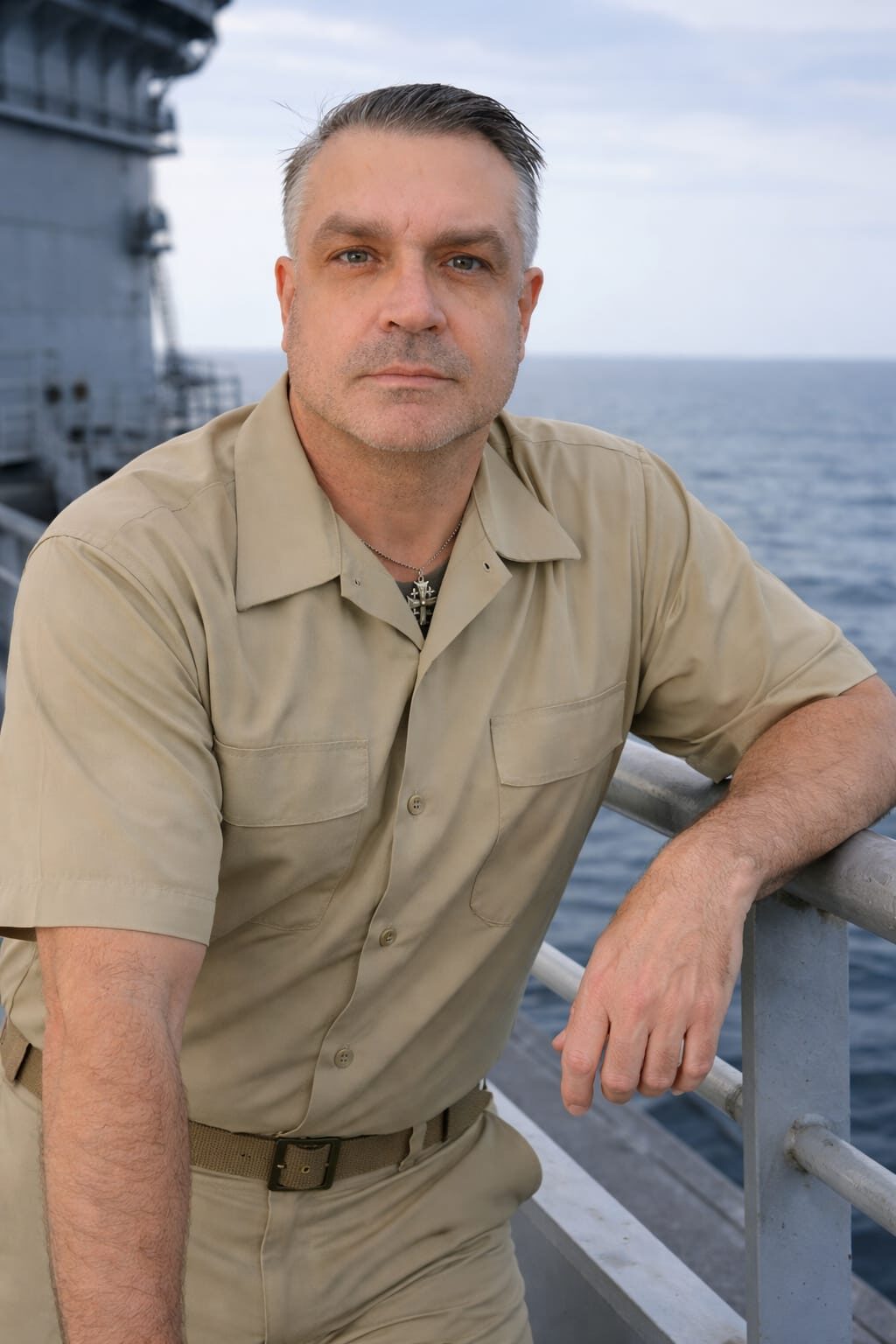
This project was created by friends, family, and supporters who believe that Gregory's sustained growth and accountability deserve to be recognized. It exists to share his story honestly, support lawful sentencing alignment, and give people a way to add their voice.
Your signature matters. It takes less than 30 seconds and costs nothing.
Sign the PetitionWhat Others Say
Voices of Support
Inmate Marcinski…quickly responded in administering the Heimlich maneuver to inmate Whitely, who was sitting at the same table. With one thrust the food was dislodged and inmate Whitely was able to breathe with no problems. I have never seen an inmate help another person the way Marcinski did on this day.
M. Dillion
Food Service Foreman
You have modeled exceptional behavior which includes leadership, vision, and a tremendous commitment to self-improvement. My sincere and personal thanks for your contributions to the inmate population at Otisville.
J. M. Killian
FCI Otisville, Warden
Greg is very diligent, and puts an incredible amount of effort in everything he does. His work superseded any work I have seen teaching at other colleges and universities. The dedication, drive and positive choices he makes in pursuing his college education shows clearly through his work time and time again.
Professor Megan Hart-Macy
MA, Professor
Greg’s energy and talents have been directed at serving others. I am certain that when he is released from prison he will be a model citizen and do much good in the world.
Edward DeSear
Supporter
I have been in correspondence with Greg and have been so impressed by the quality of his writing and by the serious nature of the content of his letters. I feel Greg could be making a serious contribution to society if he were outside the prison.
Rev. Ugo Nacciarone, SJ
Religious Leader
After 24 years of correctional experience and my last 7 as a counselor I seen many different types of inmates come and go. Inmate Marcinski has been probably the most consistent, genuine and sincere that I have ever met.
Paul Herrera
Correctional Officer/Counselor, FBOP
I first met Greg when I arrived at FCI Otisville. He was one of the first people I met. At the time he was a complete stranger to me but I could not forget how kind he was and how welcomed he made me feel in a real dark time in my life.
Brian Rogers
Fellow Inmate
Mr. Marcinski is able to cross sociopolitical and socioreligious lines in prison that most individuals couldn’t fathom. I once believed all white people were racist and distrustful, but Mr. Marcinski changed that. I look up to this man.
Christopher Johnson
Fellow Inmate
Published Works
Gregory's Writing & Media
Gregory is a published writer whose work has appeared across multiple platforms.
Your Voice Can
Make a Difference
Every signature brings more attention to this effort. It's quick, it's free, and it matters.
Takes less than 30 seconds. No cost, just your voice.