Battling Asthma in Prison
The following article first appeared in Prison Legal News - Issue 26, Fall 2015 : https://fight.org/wp-content/uploads/2014/10/Issue-26-Web.pdf
If you’re suffering from asthma, you’re not alone. More than 18 million
American adults have asthma, and thousands go to the emergency room
every day because of it. In prison, it can be a bit more difficult to be seen by
medical staff, so I'll discuss a few things that we can do on our own to help
preserve our own health.
At first, symptoms can be subtle, such as breathlessness, coughing or
wheezing. However, asthma can rapidly grow dangerous.
TRIGGERS
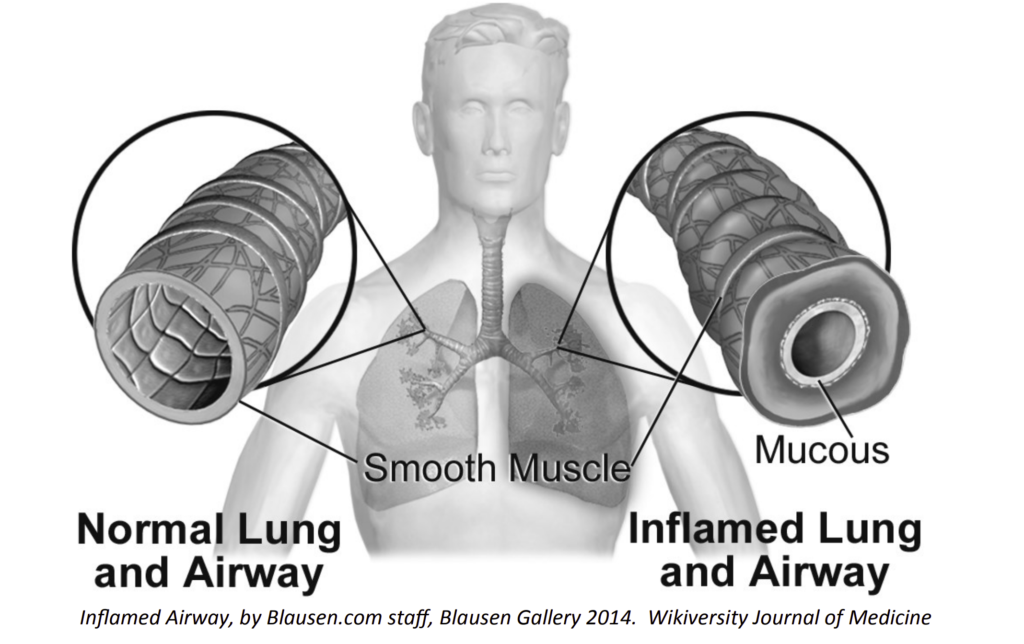
Asthma is a lung condition that makes it difficult to breathe properly. Asthma causes a person’s airways to undergo changes when exposed to allergens (i.e. pollen, mold, dust, dander, mites) or other environmental triggers (i.e. cigarette smoke, cold air, and high humidity). These changes in the airway can cause coughing, wheezing, and shortness of breath.
PREVENTATIVE MEASURES
Although there is no cure as of yet, there are some things that you can
include in your diet that might help reduce the number of attacks you may
have.
- Flavonoids are an antioxidant that may help protect your airways. You can find flavonoids in foods such as onions, apples, blueberries and grapes.
- Fish Oil (Omega-3 fatty acids) may help reduce reactions to allergens. On top of the many other benefits that Omega-3s bring, they may also help reduce the frequency of your asthma attacks. But they shouldn’t be taken by people who have aspirin-induced asthma or those who take a blood thinner, such as warfarin.
- Magnesium and Vitamin C have shown improvements in lung function. Magnesium helps reduce the adverse reactions of your bronchial passages and can be found in foods such as green vegetables, nuts, whole grain cereals, milk and seafood. Vitamin C has a mild antihistamine effect and can be found in such foods as citrus fruits (orange, grapefruit, etc.), broccoli, collards, bell peppers and cabbage. If your commissary sells a multi-vitamin, this can be a helpful supplement.